Picture this: you’ve just landed in a new country, you’re parched after a long flight, and the nearest shop is a 20-minute walk away. You eye the tap in your hotel bathroom. Should you risk it? For seasoned travellers, this moment of hesitation is all too familiar. The answer, frustratingly, is: it depends entirely on where you are.
Drinking contaminated water abroad is one of the most common causes of traveller’s illness, ranging from a mildly inconvenient upset stomach to serious conditions like typhoid, cholera, and giardia. Yet in dozens of countries, tap water is perfectly safe — sometimes even better quality than bottled alternatives. This guide breaks it all down so you can travel smarter, stay healthier, and spend less money on unnecessary bottled water.
Why Tap Water Safety Varies So Much Around the World
The safety of tap water comes down to a combination of infrastructure, geography, water treatment standards, and regulation. Wealthy nations with robust public health systems typically invest heavily in water treatment facilities, pipe maintenance, and regular testing. Developing countries, on the other hand, may struggle with ageing infrastructure, contamination from agriculture or industry, or simply lack the resources to treat water to safe drinking standards.
It’s also worth noting that even in countries with generally safe tap water, localised issues can arise. Old pipes in historic buildings, regional flooding events, or temporary contamination incidents can affect water quality even in places where drinking from the tap is normally fine. Always pay attention to local advisories when you arrive.
Another key factor? Your own gut. Long-term residents of a country often build up a tolerance to the microorganisms present in their local water supply. As a visitor, your digestive system simply hasn’t had that chance — which is why travellers sometimes fall ill even in places where locals drink the water without issue.
Countries Where Tap Water Is Safe to Drink
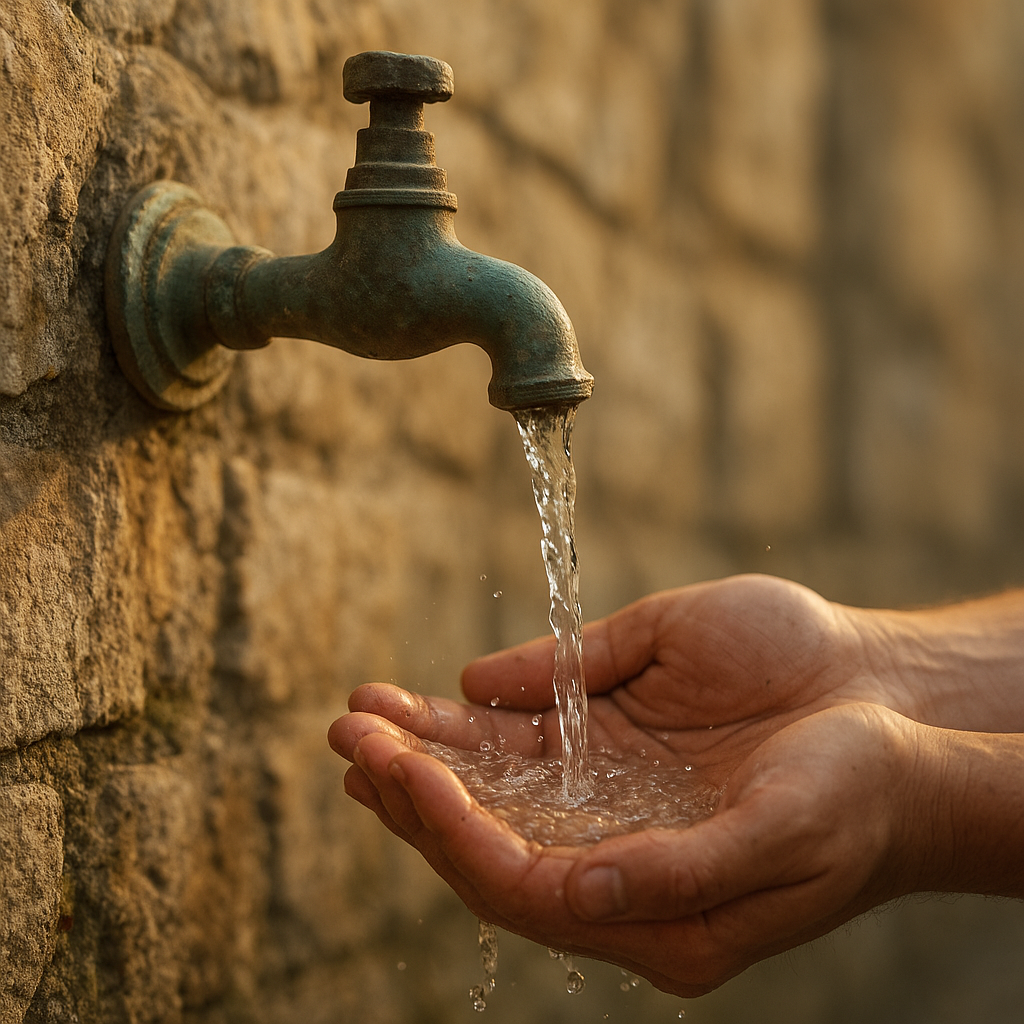
Good news first. There are plenty of wonderful destinations where you can fill up your reusable bottle straight from the tap with complete confidence.
Western Europe
The vast majority of Western European countries have excellent tap water quality. Germany, France, the Netherlands, Austria, Switzerland, and the Nordic countries all consistently rank among the best in the world for water safety. In fact, Switzerland’s tap water is sourced largely from mountain springs and Alpine lakes, making it genuinely delicious.
The United Kingdom, Ireland, and Iceland also have very high-quality tap water. Iceland’s tap water is arguably the finest you’ll taste anywhere — cold, clean, and straight from volcanic rock filtration systems. Buying bottled water there is considered something of a local joke.
North America, Australia, and New Zealand
Tap water in the United States, Canada, Australia, and New Zealand is generally safe to drink throughout most of these countries. However, it’s worth noting that some older cities in the US — most infamously Flint, Michigan — have experienced serious lead contamination issues due to ageing pipe infrastructure. If you’re travelling in the US and staying somewhere with older plumbing, it’s worth checking local water quality reports. So the question of where not to drink tap water in the USA isn’t always straightforward — it’s less about the country and more about specific localities.
Parts of Asia
Japan and Singapore are the standout safe-tap-water destinations in Asia. Japan’s water is not only safe but heavily regulated, with some municipalities even winning international awards for quality. Singapore operates one of the world’s most advanced water treatment systems and is rightly proud of it.
Countries Where You Should Avoid Tap Water
This list is, unfortunately, longer — and includes many of the world’s most popular tourist destinations.
Southeast Asia
With a few exceptions (Singapore being the big one), tap water across most of Southeast Asia should not be consumed directly. This includes Thailand, Vietnam, Cambodia, Laos, Indonesia, and the Philippines. Even in luxury hotels in Bangkok or Bali, you’ll typically find bottled water left out for guests as standard practice. Always check before drinking, even when brushing your teeth.
South Asia
India, Nepal, Bangladesh, Pakistan, and Sri Lanka all fall into the “avoid tap water” category for travellers. India in particular sees a significant number of travellers affected by waterborne illness each year. The issue isn’t necessarily that the water isn’t treated — in cities like Mumbai and Delhi it often is — but contamination can occur during distribution through old or compromised pipes.
Latin America
Tap water safety varies across Latin America, but the general rule for travellers is caution. Mexico is one of the most-visited countries in the world, and it is firmly in the “do not drink tap water” category — this applies even in major cities and resort areas like Cancún. Peru, Bolivia, Ecuador, Colombia, and most of Central America should also be approached with care.
Chile and Argentina are somewhat safer bets in South America, with urban tap water generally treated to a reasonable standard, though bottled water is still widely recommended for travellers to be on the safe side.
Africa and the Middle East
Most of sub-Saharan Africa falls into the unsafe category for tap water. Egypt, one of the most visited African countries, has tap water that is technically treated but often contains bacteria and other contaminants that foreign visitors’ digestive systems aren’t equipped to handle. Stick to sealed bottled water.
In the Middle East, countries like Jordan, Morocco, and Tunisia have variable water quality — generally not recommended for drinking directly from the tap, even if locals do so.
What Kills Parasites and Bacteria in Water?
If you’re travelling somewhere with unsafe tap water, you have several effective options beyond simply buying plastic bottles.
- Boiling: The oldest and most reliable method. Bringing water to a rolling boil for at least one minute (three minutes at high altitudes) kills virtually all pathogens, including bacteria, viruses, and parasites like Giardia and Cryptosporidium.
- UV sterilisation pens: Devices like the SteriPen use ultraviolet light to destroy the DNA of microorganisms, rendering them harmless. They’re fast, lightweight, and very effective — though they don’t filter out heavy metals or chemical contaminants.
- Water purification tablets: Iodine or chlorine-based tablets are a cheap and compact option. They’re effective against most bacteria and viruses but less reliable against Cryptosporidium.
- Filtered water bottles: Brands like GRAYL and LifeStraw offer bottles with built-in filtration systems that remove bacteria, protozoa, and some viruses. An excellent investment for frequent travellers.
- Bottled water: The default option for most travellers, but do check the seal is intact before drinking, and be aware of the significant plastic waste this generates.
Practical Tips for Staying Safe with Water Abroad
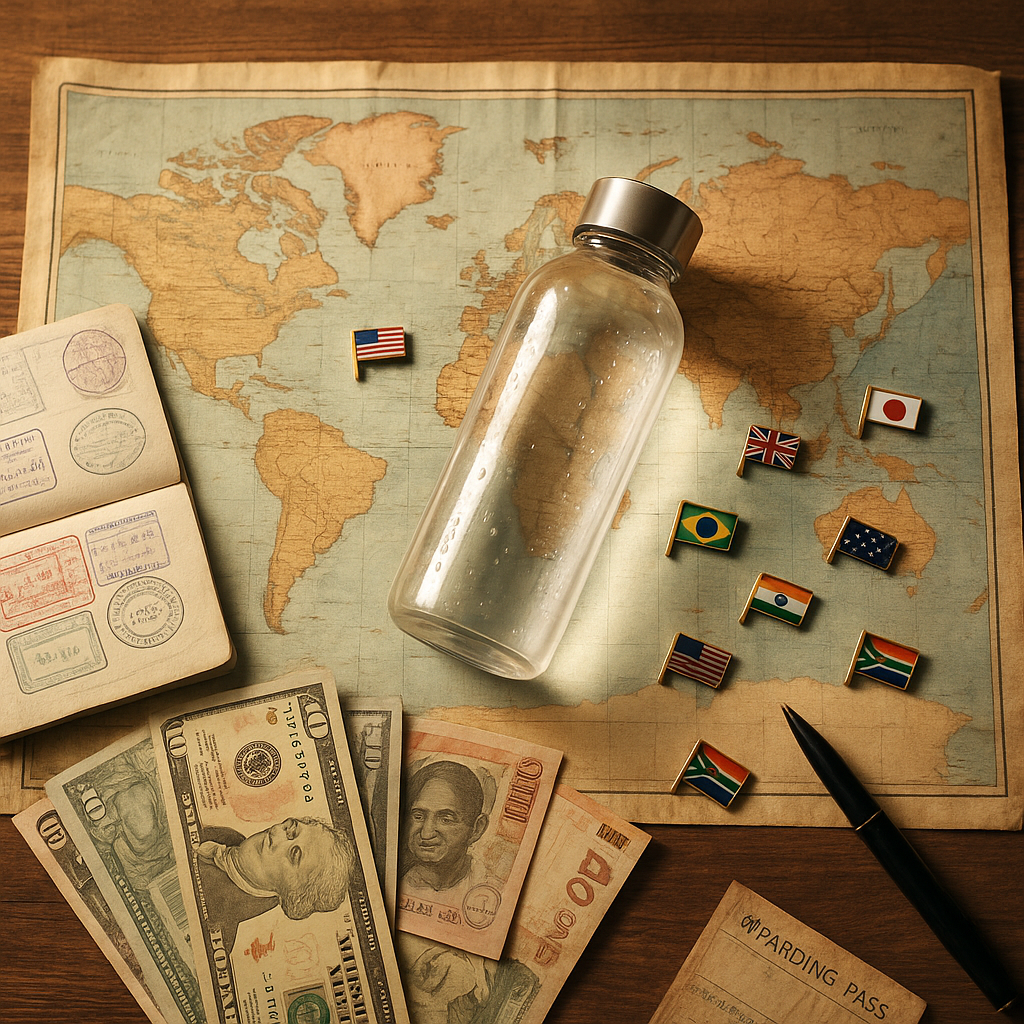
Safe water habits go beyond what’s in your glass. Here are some often-overlooked points to bear in mind:
- Ice cubes can be a hidden risk. In countries with unsafe tap water, ice made from that water carries the same risks. In tourist-heavy areas, commercial ice is often made from purified water — but don’t assume.
- Brushing your teeth counts. If you’re in a destination where tap water is unsafe to drink, use bottled or treated water for brushing your teeth too. It’s a small habit that makes a real difference.
- Salads and raw vegetables may have been washed in local tap water. This is a common source of traveller’s diarrhoea that often gets overlooked.
- Sealed bottled water is not always genuine. In some countries, counterfeit bottled water — refilled from a tap — does exist. Buy from reputable shops and always check the seal.
- Your hotel’s tap vs. the restaurant’s tap may be different. Larger international hotels often have their own filtration systems. Ask at reception if you’re unsure.
Which Country Has the Safest Tap Water in the World?
This is a question that comes up regularly, and while rankings vary depending on the criteria used, Iceland, Switzerland, Norway, and Finland consistently emerge at the top. Iceland is perhaps the most celebrated — its water requires almost no treatment before it reaches your tap, and the country has virtually no industrial pollution affecting its water sources. If you’re ever lucky enough to visit, drink freely and enjoy every drop.
The WHO (World Health Organisation) and various independent bodies regularly assess global water quality, and Northern and Western Europe dominate the top positions year after year. Singapore is the standout performer in Asia. New Zealand, often overlooked in these conversations, also deserves a mention for its exceptional water quality.
Should You Drink Tap Water in Foreign Countries?
The honest answer is: only when you’ve done your research. The days of a blanket “never drink tap water abroad” rule are outdated — that advice might protect you in India but causes you to spend unnecessary money on bottled water in Vienna or Oslo. Being informed is the key.
Before any trip, it takes all of five minutes to look up the water safety status of your destination. Resources like the CDC’s Travellers’ Health pages, the WHO country profiles, and travel forums offer reliable, up-to-date information. You can also ask at your accommodation when you arrive — hotel and hostel staff field this question constantly and will give you a straight answer.
A Quick-Reference Summary by Region
- Safe to drink: Western and Northern Europe, Iceland, UK, Ireland, USA (most areas), Canada, Australia, New Zealand, Japan, Singapore
- Exercise caution / check locally: Eastern Europe (varies by country), parts of Southern Europe, urban areas in Argentina and Chile, UAE and Israel
- Generally unsafe — use alternatives: Most of Southeast Asia, South Asia, Mexico, Central America, most of South America, most of Africa, most of the Middle East
Final Thoughts: Travel Smart, Stay Hydrated
Water is non-negotiable — you need it every single day, and when you’re travelling, dehydration is already more of a risk than at home due to heat, activity, and long travel days. The worst thing you can do is let fear of getting ill lead you to not drink enough.
Invest in a good quality water filter bottle before your next trip. Learn the status of your destination before you land. And when in doubt, boil it, filter it, or buy it sealed. A bit of preparation means you can stay properly hydrated, reduce your plastic footprint, save money, and — most importantly — spend your holiday actually enjoying yourself rather than confined to a hotel bathroom.
Safe travels, and drink up (sensibly).