There’s something magical about stumbling upon a festival that makes you stop and think, “Wait, people actually celebrate this?” Whether it’s a small town throwing a party for its most peculiar local legend or an ancient ritual that’s been going on for centuries, unique local festivals offer a window into the soul of a place that no museum or tour guide ever could. If you’re the kind of traveller who prefers authentic experiences over tourist traps, hunting down unusual festivals might just be your next great adventure.
From tomato-hurling battles in Spain to cheese-chasing mayhem in the English countryside, the world is absolutely brimming with festivals that defy explanation — and that’s precisely what makes them so worth travelling for. This guide will show you exactly where to find the most unique local festivals worldwide, how to discover hidden gems near you, and what to expect when you get there.
Why Unique Local Festivals Are Worth Travelling For
Before we dive into the where, let’s talk about the why. According to a 2023 report by Eventbrite, over 78% of millennials prefer spending money on experiences rather than material goods — and festivals sit right at the top of that list. But beyond the statistics, there’s a deeply human reason to seek out unusual celebrations: they connect us to communities in a way that’s impossible to replicate.
When you join locals in a centuries-old tradition — however bizarre it might look from the outside — you’re not just watching culture. You’re participating in it. That’s the difference between being a tourist and being a traveller.
The Best Places in the World to Find Unique Local Festivals
Europe: Where Ancient Traditions Get Wonderfully Weird
Europe has had a rather long time to develop its quirky festival culture, and it shows. Some of the continent’s most unique celebrations date back hundreds, even thousands, of years.
- La Tomatina, Buñol, Spain — Held on the last Wednesday of August, this legendary festival sees tens of thousands of participants hurl over 100 tonnes of ripe tomatoes at each other in the streets. It started spontaneously in 1945 and never really stopped.
- Cooper’s Hill Cheese-Rolling, Gloucestershire, England — Every late May, brave (or perhaps reckless) souls chase a wheel of Double Gloucester cheese down an almost vertical hill. Injuries are common; nobody seems to mind.
- Batalla del Vino, Haro, Spain — Wine is hurled rather than drunk at this Rioja celebration each June. Participants arrive in white and leave thoroughly purple.
- Boryeong Mud Festival, South Korea (yes, we’re stretching Europe slightly) — Actually, let’s save South Korea for its own section, because it deserves it.
- Up Helly Aa, Lerwick, Shetland, Scotland — Each January, thousands of torch-wielding “guizers” march through the streets before burning a full-sized Viking longship. It’s spectacular, cold, and utterly unforgettable.
Asia: Festivals That Will Genuinely Astonish You
Asia is home to some of the most visually stunning and emotionally powerful festivals on the planet. Many are deeply rooted in religious or agricultural traditions, giving them a gravity and meaning that adds to their spectacle.
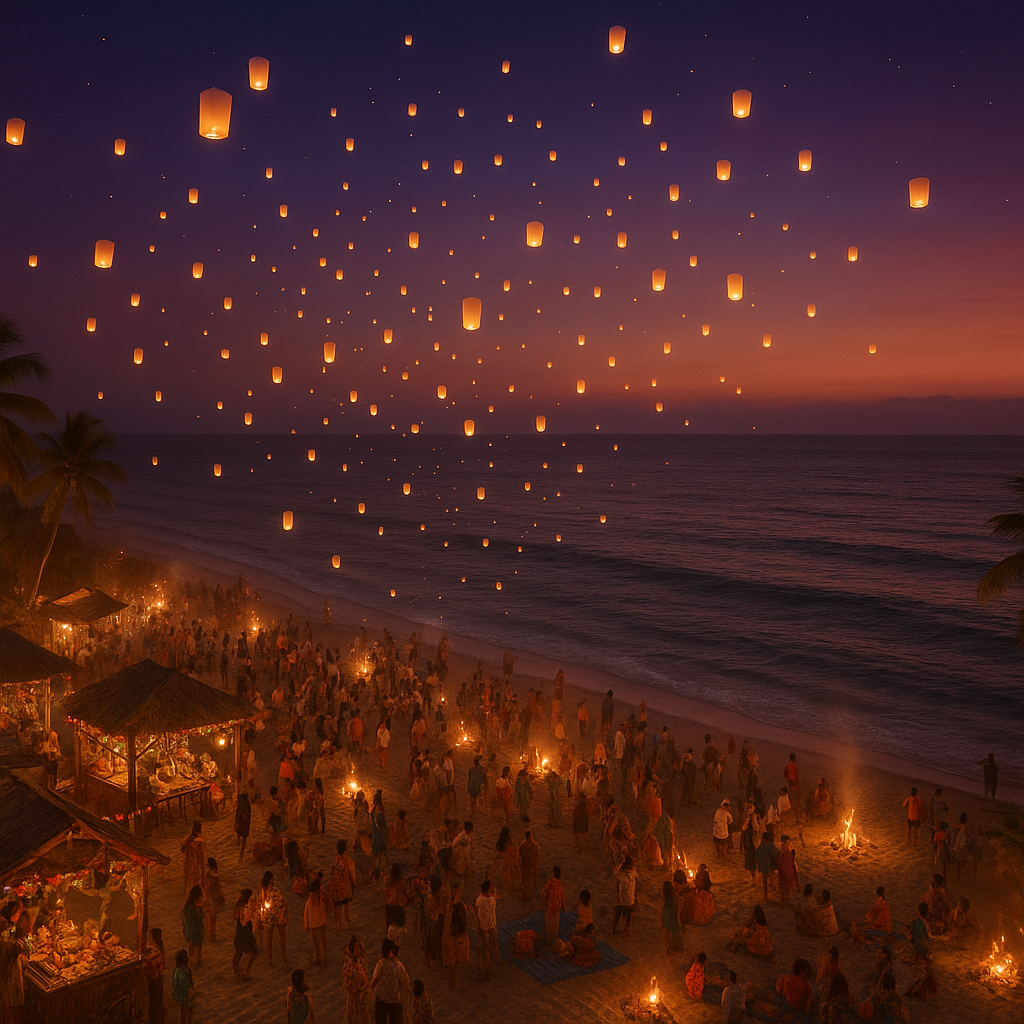
- Yi Peng Lantern Festival, Chiang Mai, Thailand — Thousands of paper lanterns are released into the night sky simultaneously during the full moon of the second month of the Yi Peng calendar. Photographs don’t do it justice.
- Boryeong Mud Festival, South Korea — Held annually in July, this festival was originally designed to promote the mineral-rich mud cosmetics from the Boryeong region. It has since evolved into a massive, wonderfully messy celebration attracting over 2 million visitors.
- Thaipusam, Malaysia and Singapore — Devotees carry ornate, spike-covered structures called kavadis, with some piercing their skin as acts of devotion. It’s intense, moving, and unlike anything you’ll witness elsewhere.
- Monkey Buffet Festival, Lopburi, Thailand — Over 600 macaque monkeys are treated to a lavish banquet of fruits and vegetables every November as a thank-you for attracting tourism. It’s chaotic, joyful, and surprisingly heartwarming.
The United States: Weird, Wonderful, and Wildly Diverse
America’s vast geographical and cultural diversity means it has produced some of the world’s most eccentric local festivals. Many of these are small-town affairs that never make the mainstream travel guides — which is exactly what makes them so special.
- Roswell UFO Festival, New Mexico — Every July, this small desert city transforms into a hub for alien enthusiasts, conspiracy theorists, and the simply curious. There are costume contests, lectures, and enough green alien merchandise to fill a spaceship.
- Gilroy Garlic Festival, California — Held annually since 1979, this celebration of all things garlic draws over 100,000 visitors. Yes, there’s garlic ice cream. Yes, you should try it.
- Frozen Dead Guy Days, Nederland, Colorado — Named after a Norwegian man cryogenically frozen in a shed (a real story), this festival features coffin races, live music, and thousands of people dressed as frozen corpses. Colorado, everyone.
- World Grits Festival, St. George, South Carolina — This Southern celebration includes grits-eating contests and, brilliantly, a “roll in the grits” competition where participants see how much grits they can stick to their bodies. Culture, in its purest form.
- Mermaid Parade, Coney Island, New York — One of the largest art parades in the United States, this June event is a spectacular display of handmade costumes, decorated floats, and pure New York energy.
How to Find Unique Local Festivals Near You
One of the most common questions travellers ask is: “How do I find unique local festivals near me?” The good news is that with a little digging, they’re rarely far away.
Online Resources Worth Bookmarking
- Atlas Obscura (atlasobscura.com) — This is arguably the single best resource for finding unusual festivals and events worldwide. Their database is vast, community-driven, and lovingly curated.
- Eventbrite — Useful for local events, particularly in urban areas. Filter by “festival” and sort by date to see what’s happening near you.
- Local tourism board websites — Often overlooked, these sites frequently list regional events that never appear on mainstream travel platforms.
- Reddit communities — Subreddits like r/travel, r/festivals, and location-specific communities are goldmines for insider recommendations. Real travellers sharing real experiences is worth its weight in guidebooks.
- Facebook Events — For hyper-local festivals, particularly in smaller towns, Facebook Events remains surprisingly effective.
Tips for Discovering Hidden Festival Gems
Sometimes the best festivals are the ones nobody’s written a travel article about — yet. Here’s how to find them:
- Ask locals directly. When you’re already travelling somewhere, ask your hotel staff, taxi drivers, or the person at the café what celebrations happen in the area throughout the year.
- Look at community noticeboards. Old-fashioned as it sounds, physical noticeboards in village centres, libraries, and community halls often advertise events that never make it online.
- Follow local news outlets. Regional newspapers and their social media accounts regularly cover upcoming festivals months in advance.
- Time your travel strategically. Research the area you’re visiting before you go. Many unique festivals happen on specific dates tied to harvests, religious calendars, or historical events.
What to Know Before You Attend an Unusual Festival
Attending a unique or unusual festival isn’t always as simple as showing up. A little preparation goes a long way.
Respect Cultural Significance
Many of the world’s most unusual festivals are deeply rooted in religious or cultural traditions. What looks quirky from the outside may carry enormous meaning for the community hosting it. Do your research beforehand, dress appropriately when asked, and always follow the lead of locals when it comes to participation etiquette.
Book Early for Popular Events
Unique festivals that have gained international attention — like Yi Peng in Chiang Mai or La Tomatina in Buñol — can sell out accommodation months in advance. If you’re planning to attend a well-known unusual festival, treat your travel planning as seriously as you would for a major concert or sporting event.
Pack Smart
This is particularly relevant for festivals involving food, mud, water, or fire (yes, all of those exist). Bring clothes you don’t mind ruining, waterproof bags for electronics, and comfortable footwear. For colder events like Up Helly Aa in Shetland, layers are non-negotiable.
Travel Responsibly
Some festivals have faced pressure in recent years due to overcrowding and environmental impact. Be a conscientious festival-goer: clean up after yourself, support local vendors rather than large corporate operators, and always prioritise the wellbeing of the host community over your Instagram feed.
Unique Festivals by Season: Planning Your Festival Calendar
If you’re building a travel itinerary around unusual festivals, here’s a rough seasonal guide to help you plan:
- Winter: Up Helly Aa (January, Scotland), Harbin Ice Festival (January, China), Ivrea Carnival and Orange Battle (February, Italy)
- Spring: Holi (March, India), Cooper’s Hill Cheese-Rolling (May, England), Beltane Fire Festival (April, Edinburgh)
- Summer: La Tomatina (August, Spain), Boryeong Mud Festival (July, South Korea), Gilroy Garlic Festival (July, USA), Mermaid Parade (June, USA)
- Autumn: Yi Peng Lantern Festival (November, Thailand), Monkey Buffet Festival (November, Thailand), Diwali celebrations (October/November, India and worldwide)
Final Thoughts: Make Unusual Your New Normal
The world’s most unique local festivals aren’t just travel experiences — they’re reminders that human beings are wonderfully, gloriously strange. We find reasons to celebrate cheese, mud, tomatoes, garlic, and frozen Norwegian men in sheds. We light lanterns and release them into the sky by the thousands. We chase wheels of cheese down dangerously steep hills, and we do it every single year.
These festivals exist because communities have decided that something — a harvest, a legend, a piece of local identity — is worth marking with joy. And when you show up as a traveller, you’re not just an observer. You’re a participant in that joy, however briefly.
So the next time you’re planning a trip, don’t just look for the famous landmarks. Ask what the locals celebrate. You might find something far more memorable — even if you come home covered in tomatoes.