Long-haul flights are a rite of passage for any serious traveller. Whether you’re crossing the Atlantic, flying from London to Sydney, or making the epic journey to Southeast Asia, spending 10 or more hours in a pressurised metal tube requires a bit of preparation. The difference between arriving at your destination feeling refreshed and ready to explore — versus stumbling off the plane exhausted, stiff, and dehydrated — often comes down to what you packed in your carry-on.
This guide covers everything you genuinely need for a long-haul flight in 2025, cutting through the noise of overstuffed packing lists to focus on the items that actually make a difference. Whether you’re flying economy or treating yourself to business class, these essentials will help you arrive feeling more human.
The Non-Negotiables: What Every Long-Haul Traveller Needs
Before we get into categories, let’s be honest about something: most “ultimate packing lists” include half a dozen things you’ll never actually use. The goal here is to keep your bag light enough to fit in the overhead locker while still covering every genuine need. Think of these as your foundation.
Noise-Cancelling Headphones
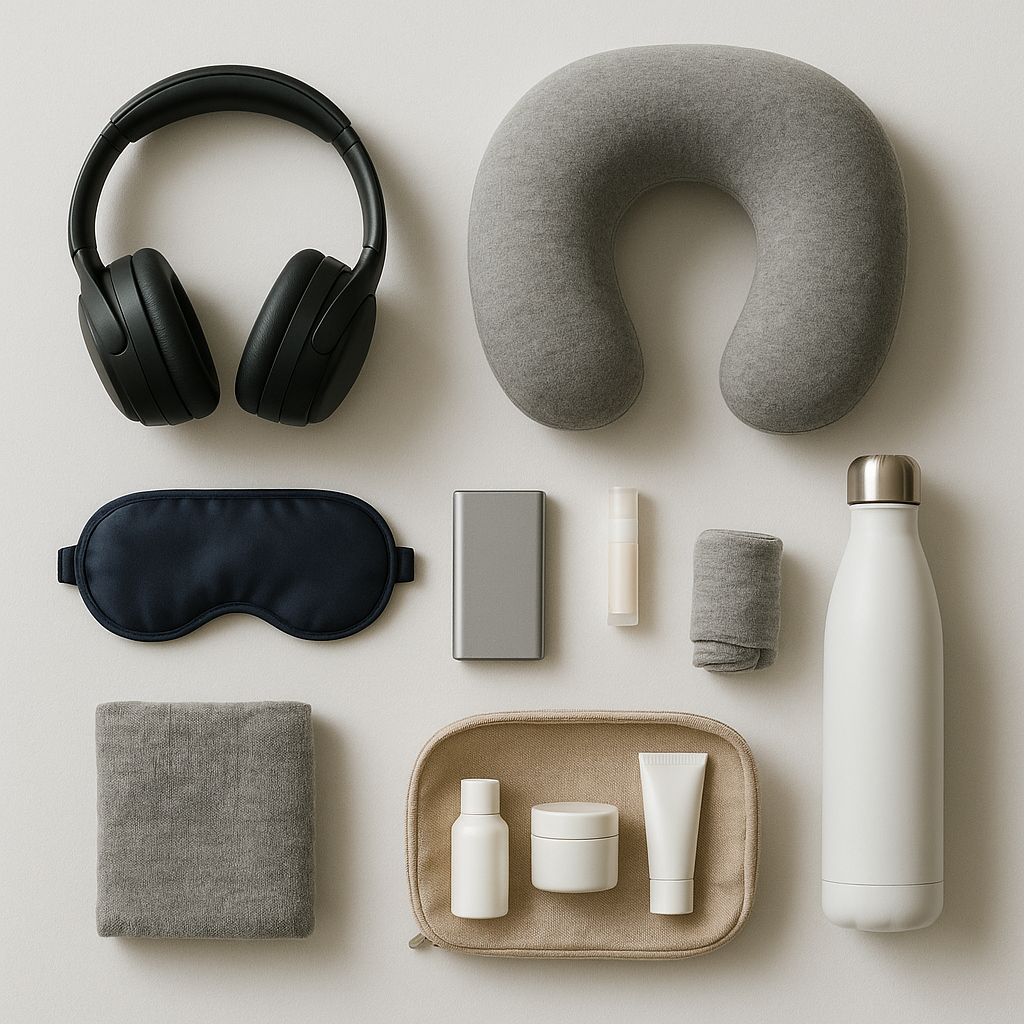
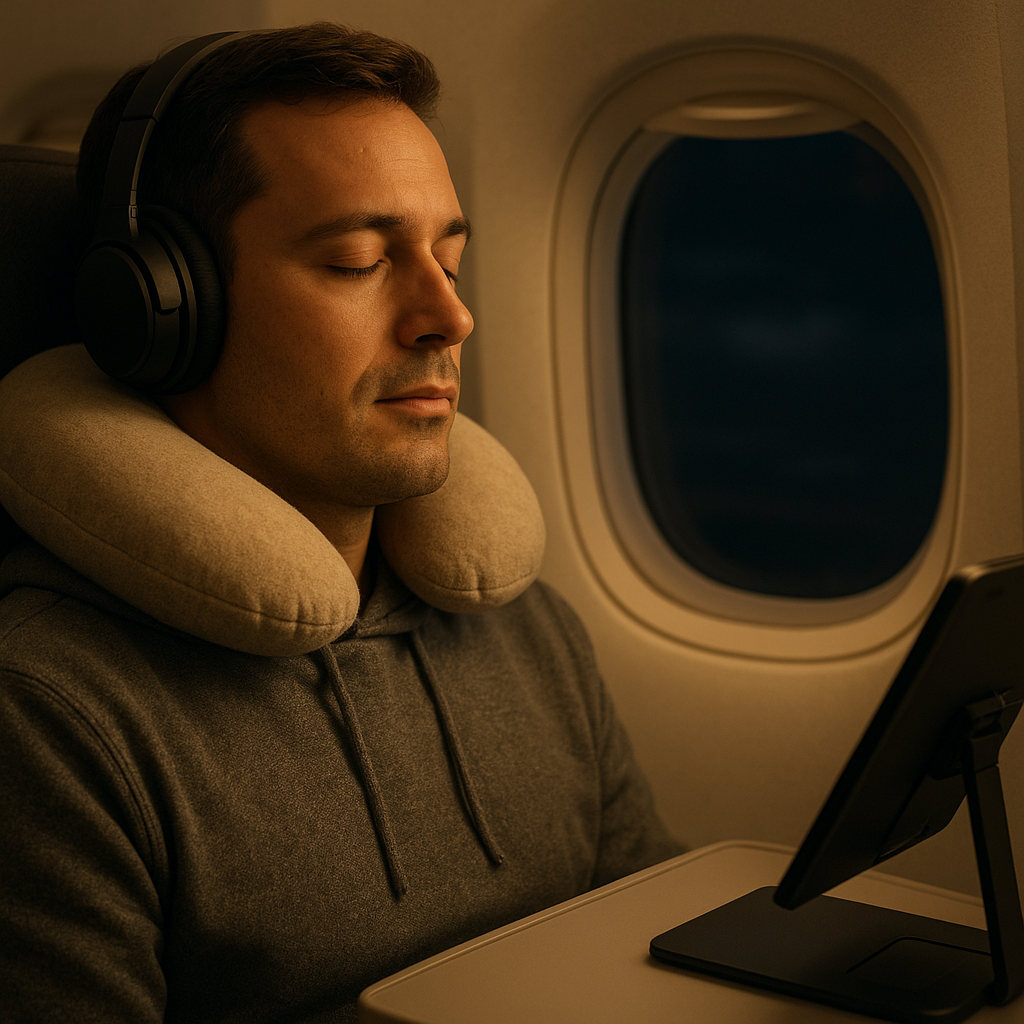
This is arguably the single most important item you can bring on a long flight. A good pair of noise-cancelling headphones — the Sony WH-1000XM5 or Bose QuietComfort 45 are perennial favourites — can transform a noisy cabin into something approaching a peaceful bubble. They block out engine noise, chatty neighbours, and crying babies (no offence to the parents — you’re doing your best).
In 2025, many travellers are also exploring newer models with improved battery life, some lasting up to 30 hours on a single charge — more than enough for even the longest flights. If you’re on a tighter budget, quality earbuds like the Apple AirPods Pro or Sony WF-1000XM5 are excellent compact alternatives.
A Quality Neck Pillow
Not all neck pillows are created equal. The thin, U-shaped pillows sold at airport shops are better than nothing, but memory foam options with adjustable support — like those from Cabeau or Trtl — are worth the investment if you frequently fly long-haul. The Trtl pillow in particular has developed a cult following for its compact design and genuine support for side sleeping in an upright seat.
An Eye Mask and Earplugs
Even if you have noise-cancelling headphones, a good pair of earplugs gives you a fallback for sleeping. Pair them with a contoured eye mask — one that doesn’t press directly onto your eyelids — and you’ve created a surprisingly effective sleep environment even in economy. Look for masks with a 3D cup design that gives your eyes room to breathe.
Comfort and Wellness Essentials
Long-haul flights are genuinely tough on the body. Cabin pressure, recycled air, and prolonged sitting all take their toll. These items help you land feeling less like you’ve been through the wringer.
Compression Socks
This might not be the most glamorous item on the list, but compression socks are one of the most medically sound things you can pack. Sitting for extended periods — particularly on flights over 6 hours — significantly increases the risk of deep vein thrombosis (DVT). The NHS recommends that all long-haul passengers consider wearing graduated compression stockings to improve circulation. Modern options come in a range of styles that look nothing like hospital socks, so there’s no excuse not to pack a pair.
A Reusable Water Bottle
Cabin air humidity can drop to as low as 10–20% — drier than most deserts. This leads to dehydration faster than many travellers realise, which worsens jet lag, causes headaches, and leaves your skin feeling parched. Bring an empty reusable bottle, fill it after security, and aim to drink around 250ml of water per hour of flight. Most flight attendants are happy to fill it for you throughout the journey.
Skincare and Toiletries
A small toiletry bag for long-haul flights is essential. Stick to travel-sized products and focus on the basics:
- Moisturiser — your skin will thank you
- Lip balm — dry air is brutal on lips
- Facial mist — a quick spritz mid-flight feels genuinely refreshing
- Toothbrush and toothpaste — for overnight flights especially
- Hand cream — often overlooked, always appreciated
- Eye drops — contact lens wearers will find these essential
One question that often comes up: do pills have to be in original bottles when flying? The short answer is that in the UK, there’s no legal requirement to carry medications in their original packaging for domestic travel, but for international flights, it’s strongly advisable to keep prescription medications in labelled containers and carry a copy of your prescription. TSA rules in the US similarly don’t mandate original bottles, but customs officials in some countries do. When in doubt, keep originals.
Entertainment and Productivity
Even with the best sleep intentions, you’re likely to spend a good chunk of your flight awake. Being prepared with entertainment makes the hours pass far more pleasantly.
Tablet or E-Reader
A fully loaded tablet or Kindle is worth its weight in gold on a long-haul flight. Download films, series, podcasts, and books before you board — never rely entirely on the in-flight entertainment system, which can be unreliable or simply not to your taste. The Kindle Paperwhite is a lightweight option with a battery life measured in weeks, making it ideal for travel.
Portable Charger
In 2025, most long-haul aircraft have USB ports or full power sockets at each seat, but this isn’t universal — and sometimes they simply don’t work. A compact power bank (up to 100Wh, the airline-safe limit for lithium batteries in carry-on luggage) ensures your devices stay charged throughout the flight. The Anker 20000mAh range offers excellent capacity without being too bulky.
A Good Book or Downloaded Podcasts
Sometimes screens are too much. Having a physical book or a queue of downloaded podcasts gives your eyes a rest whilst keeping your mind engaged. Long-haul flights are actually brilliant for finally getting through that novel you’ve been meaning to read for months.
Clothing and Layers
What you wear on a long-haul flight matters more than most people acknowledge. Cabin temperatures can vary significantly — often cool at altitude — and you want to be comfortable for hours on end.
Layers Are Your Best Friend
Wear or pack a lightweight layer — a thin fleece, hoodie, or packable down jacket — that you can put on and take off easily. Airlines often provide blankets, but these aren’t always sufficient, and relying on them is a gamble. A large scarf or pashmina is incredibly versatile: it can serve as a blanket, pillow cover, or eye shade in a pinch.
Comfortable, Loose-Fitting Clothing
Tight jeans are a mistake on any flight over two hours. For long-haul, opt for stretchy trousers, joggers, or comfortable travel trousers. If you’re flying in business or first class and want to look presentable at the other end, layer: wear smart clothes but pack or wear a comfortable layer for sleep. Slip-on shoes are also a smart move, as feet can swell during long flights.
Documents and Organisation
A small travel wallet or document organiser keeps everything accessible without the panic of rummaging through your bag at the gate.
- Passport and visa documents — always in your carry-on, never in checked luggage
- Travel insurance details — digital copies are fine, but a printed backup never hurts
- Flight confirmations and hotel bookings — downloaded offline on your phone
- Local currency or travel card — for immediate needs on arrival
Snacks and Nutrition
Airline food has improved considerably in recent years, but it’s not always timed to suit your body clock, and options can be limited. Packing a few snacks ensures you’re never left hungry during a long stretch between meals.
Good options include mixed nuts, protein bars, dried fruit, oat cakes, and dark chocolate. Avoid anything too salty (it worsens dehydration) or with a strong smell (fellow passengers will appreciate your consideration). Note that many countries have strict biosecurity rules — don’t pack fresh fruit or meat products if you’re travelling internationally.
FAQs: Things Travellers Always Want to Know
What is the 3-3-3 rule for flights?
The 3-3-3 rule is a popular travel wellness strategy for combating jet lag on long-haul flights. It suggests: drinking 3 litres of water, avoiding alcohol for 3 hours before landing, and going to bed at 3am (local destination time) on your first night. It’s a guideline rather than a strict science, but many frequent flyers swear by it as a framework for resetting their body clock more quickly.
What is the 3:1:1 rule for packing liquids?
The 3:1:1 rule refers to airport security regulations for liquids in carry-on bags. Each liquid must be in a container of 100ml or less, all containers must fit in one clear, resealable plastic bag of no more than one litre capacity, and each passenger is allowed just one such bag. This applies at UK and EU airports, as well as most international hubs, though post-Brexit, some UK airports have trialled updated liquid scanners that may relax these rules — check with your specific airport before flying.
How to Survive Long Flights in Economy: Final Tips
Economy long-haul flying is a skill. Beyond the items above, a few habits make a significant difference:
- Get up and walk every 1–2 hours — stretch your legs, do some calf raises, and keep the blood flowing
- Adjust to your destination time zone immediately — use your sleep mask and earplugs to sleep when it’s night at your destination, even if it’s daytime where you departed
- Limit alcohol and caffeine — both dehydrate you and interfere with sleep quality
- Choose your seat wisely — aisle seats offer freedom to move; window seats offer something to lean against
- Recline considerately — check if someone behind you is eating before pushing back
Packing It All Together
The best long-haul flight carry-on is one that covers your sleep, comfort, hydration, entertainment, and health needs without being so heavy that it becomes a burden. You don’t need every item on every list you’ve ever read — you need the right items for your journey, your body, and your style of travel.
Start with the non-negotiables: noise-cancelling headphones, a solid neck pillow, compression socks, and a water bottle. Build from there based on your flight length and personal needs. With the right preparation, even a 14-hour economy flight can be genuinely manageable — and arriving at your destination ready to explore makes every bit of preparation worthwhile.
Safe travels, and may your middle seat always be empty.