There’s something undeniably magical about gliding through sun-drenched vineyards on two wheels, pausing to sip a glass of Pinot Noir before pedalling on to the next tasting room. Cycling through wine country isn’t just a holiday — it’s a full sensory experience that combines gentle exercise, breathtaking scenery, and some of the world’s finest wines. The good news? You don’t need to be a seasoned cyclist or a wine expert to pull it off beautifully. You just need a solid plan.
Whether you’re eyeing the rolling hills of Sonoma County in California, the lavender-edged lanes of Provence, or the river valleys of the Douro in Portugal, the fundamentals of planning a cycling wine country trip remain remarkably consistent. This guide will walk you through everything — from choosing your route and renting the right bike, to pacing yourself so you’re still standing (and tasting) at the fifth winery of the day.
Choosing the Right Wine Country Destination for Your Cycling Trip
Before you book anything, you need to decide where you’re going. Wine regions vary enormously in terms of terrain, climate, cycling infrastructure, and the style of wine on offer. The destination you choose will shape every other decision you make.
California’s Wine Country: The Classic Choice
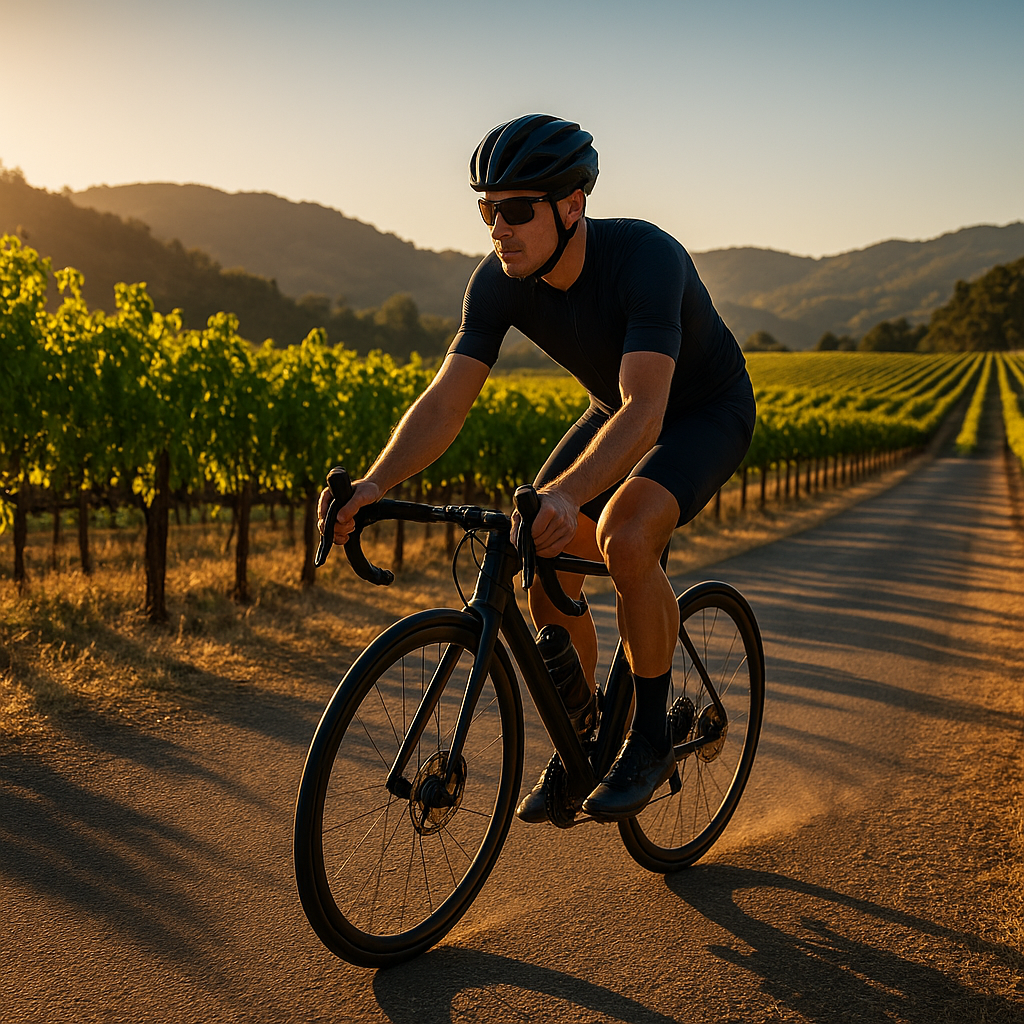
For many cyclists, California — and Sonoma County in particular — remains the gold standard. The Dry Creek Valley bike trail is a perennial favourite, offering a relatively flat, 16-mile loop through lush vineyards with a remarkable concentration of wineries within easy cycling distance. The Sonoma bike path map is well-documented, and the region has embraced cycling culture wholeheartedly, with many wineries offering dedicated bike parking and even cyclist-specific discounts.
Self-guided bike tours in California are widely available, giving you the freedom to explore at your own pace without being tied to a group schedule. Companies like Wine Country Bikes and Getaway Adventures offer curated routes with bike hire, maps, and even luggage transfers, making the logistics far simpler than you might expect.
Beyond Sonoma, Napa Valley is another popular option — though it’s worth noting that Highway 29 can get quite busy with car traffic. The quieter Silverado Trail on the eastern side of the valley is a far more pleasant cycling experience, with better sight lines and less congestion.
Other World-Class Cycling Wine Regions
If you’re open to looking beyond California, the options are extraordinary:
- Burgundy, France: The Route des Grands Crus winds through some of the most famous vineyard names in the world. The terrain is gently rolling, and the cycling infrastructure is excellent.
- Marlborough, New Zealand: Famous for its Sauvignon Blanc, the flat plains around Blenheim make this one of the most accessible wine cycling destinations on the planet.
- Douro Valley, Portugal: Dramatically beautiful, but significantly more challenging — expect steep climbs rewarded by jaw-dropping views over terraced vineyards.
- Barossa Valley, Australia: A compact, largely flat region in South Australia with a well-developed cycling trail network and world-class Shiraz waiting at the end of every ride.
Planning Your Route: Distance, Elevation, and Winery Stops
One of the most common mistakes first-time wine country cyclists make is overestimating how far they’ll comfortably ride in a day. When you factor in multiple winery stops, leisurely lunches, and the occasional glass of something delicious, your average speed drops considerably — and that’s entirely the point.
How Far Should You Cycle Each Day?
A realistic daily distance for a wine country cycling holiday sits between 20 and 35 miles (roughly 32 to 56 kilometres) for moderately fit cyclists. If you’re planning to visit four or five wineries along the way, aim for the lower end of that range. Remember, this isn’t a sportive — it’s a pleasure ride.
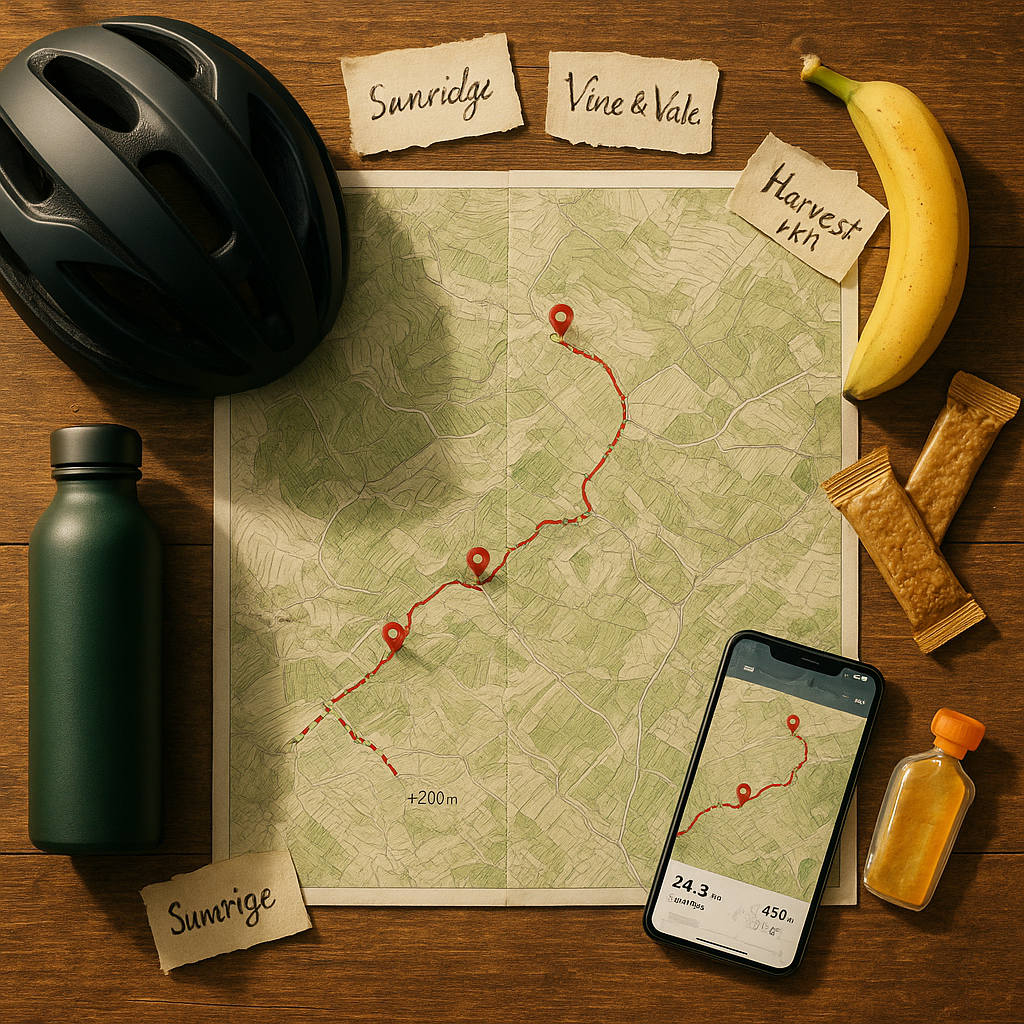
Elevation matters enormously. A 25-mile flat route through the Dry Creek Valley is a very different proposition from a 25-mile route through the hillier parts of Napa. Download your planned route onto a GPS device or cycling app like Komoot or Strava beforehand, and pay close attention to the elevation profile. If significant climbing is involved, seriously consider hiring an e-bike — more on that shortly.
Selecting Your Winery Stops
This is where the real planning fun begins. Research wineries along your route in advance and check whether they require reservations for tastings — many of the more prestigious estates now operate on an appointment-only basis. Aim for no more than three to four tastings per day; beyond that, both your palate and your ability to cycle safely will start to suffer.
Look for wineries that offer food — cheese boards, charcuterie, and full restaurants are increasingly common — as eating between tastings will help you pace yourself responsibly. Some wineries also offer picnic grounds where you can spread out a lunch alongside a bottle of their wine, which is arguably the finest way to spend a Tuesday afternoon in existence.
Choosing the Right Bike and Equipment
The bike you ride will make an enormous difference to your enjoyment of the trip. For most wine country routes, a hybrid or gravel bike is ideal — comfortable enough for long days in the saddle, yet capable of handling the occasional unpaved vineyard track.
Should You Hire an E-Bike?
E-bikes have transformed wine country cycling, and there’s absolutely no shame in hiring one. In fact, for hillier regions or for cyclists who haven’t been on a bike in a while, an e-bike is the smart choice. They allow you to cover more ground, tackle climbs with ease, and — crucially — arrive at each winery feeling refreshed rather than exhausted. According to cycling industry data, e-bike hire has grown by over 60% in popular wine tourism regions over the past five years, and it’s easy to see why.
Essential Gear to Pack
- Helmet: Non-negotiable, regardless of local laws. Many hire companies include one, but verify in advance.
- Padded cycling shorts: Your most important comfort investment for rides longer than an hour.
- Sun protection: Sunscreen, sunglasses, and a lightweight cycling cap. Wine country tends to mean full sun exposure.
- A small backpack or panniers: For water, snacks, a light layer, and any wine purchases you simply can’t leave behind.
- Portable phone mount: For navigation without having to stop constantly.
- Basic repair kit: A spare inner tube, tyre levers, and a mini pump. Even if you’re not confident changing a tyre yourself, having the kit means someone else can help.
Booking Accommodation Strategically
Where you sleep shapes the entire logistics of your trip. Ideally, you want accommodation that sits somewhere central on your planned route, so you’re not cycling unnecessarily long distances just to return to base each evening.
Many wine regions have charming bed and breakfasts, vineyard guesthouses, and boutique hotels that actively cater to cyclists — offering secure bike storage, early breakfasts, and packed lunches on request. Booking these well in advance is essential, particularly during peak harvest season (typically September and October in the Northern Hemisphere), when accommodation fills up extraordinarily quickly.
If you’re planning a multi-day point-to-point route rather than a loop, look into luggage transfer services. Companies operating in popular wine cycling regions will move your bags from one accommodation to the next, allowing you to ride with just a small day pack. It’s a simple addition that transforms the experience.
Understanding Wine Tasting Etiquette on a Cycling Trip
This might seem obvious, but responsible drinking is genuinely essential when you’re combining alcohol with cycling. Most experienced wine country cyclists follow a simple rule: taste, don’t consume. A standard tasting flight at a winery typically involves small pours — roughly half an ounce per wine — and the expectation is that you’ll sip, evaluate, and often spit (yes, really, and yes, even the good stuff).
Always drink water between wineries and eat regularly throughout the day. If you’re unsure about your ability to cycle safely, call a taxi or use one of the shuttle services that operate in most major wine regions. No bottle of wine is worth a cycling accident.
Buying Wine to Take Home
Inevitably, you’ll want to buy bottles along the way. Most wineries offer shipping directly to your home address, which is far more practical than trying to balance a case of Cabernet on your handlebars. Many will ship internationally, though import regulations and costs vary by country, so check the details before you commit.
Making the Most of Self-Guided vs. Organised Tours
There are two broad approaches to a wine country cycling trip: going fully self-guided or joining an organised tour. Both have genuine merit, and the right choice depends entirely on your personality and travel style.
Self-guided tours offer complete freedom — you set the pace, choose the stops, and linger as long as you like over a particularly good Chardonnay. They require more upfront planning, but the sense of discovery is unmatched. Resources like the Sonoma County tourism website, Komoot route planning, and regional cycling maps make self-guided planning far more accessible than it once was.
Organised tours take the logistical burden entirely off your plate. Everything from bike hire and accommodation to winery reservations and route planning is handled for you. They’re particularly valuable in unfamiliar regions where language barriers or complex local geography might otherwise cause headaches. The trade-off is a less flexible schedule and a higher price point.
Timing Your Trip: When to Go
Late spring (May to June) and early autumn (September to October) are widely considered the sweet spots for wine country cycling. The weather is typically warm but not overwhelming, the vines are either lush and green or gloriously golden, and the roads are busy but not unbearably so.
Harvest season in particular — roughly September through October depending on the region and grape variety — is an extraordinary time to visit. The energy in the vineyards is palpable, and many wineries host special events and open their doors to visitors in ways they don’t at other times of year. Just be prepared for higher accommodation prices and the need to book everything further in advance.
Summer (July and August) can work well, but midday temperatures in regions like Napa, the Barossa, or Provence can be genuinely challenging for cyclists. If you’re visiting in peak summer, plan to ride early in the morning and late in the afternoon, taking a long lunch break during the hottest part of the day — a habit the locals will thoroughly approve of.
Final Thoughts: Pedal at Your Own Pace
The most important thing to remember about planning a cycling trip through wine country is that there’s no single right way to do it. Whether you’re a hardcore cyclist who happens to enjoy wine, or a wine lover who sees the bike as a pleasantly virtuous way to get between tastings, this style of travel rewards those who slow down, stay curious, and resist the urge to tick every winery off the list.
Plan your route with care, hire the right bike, book your accommodation early, eat well, drink responsibly, and leave plenty of room in your schedule for the unexpected — a friendly local who insists you try their reserve vintage, a roadside view that demands fifteen minutes of quiet contemplation, or a dog-friendly terrace that turns a quick stop into an unforgettable afternoon. Wine country cycling, at its best, is less about the destination and more about everything that happens between the vineyards. Enjoy every beautifully unhurried kilometre of it.